Einkorn: The Ancient Grain Making a Modern Comeback
Here’s something fascinating: einkorn (Triticum monococcum) is one of the oldest grains humans have ever cultivated, with roots stretching back over 10,000 years to the Fertile Crescent in the Middle East. Long before the wheat we know today took over our fields and grocery store shelves, einkorn was feeding ancient farming communities across the world.
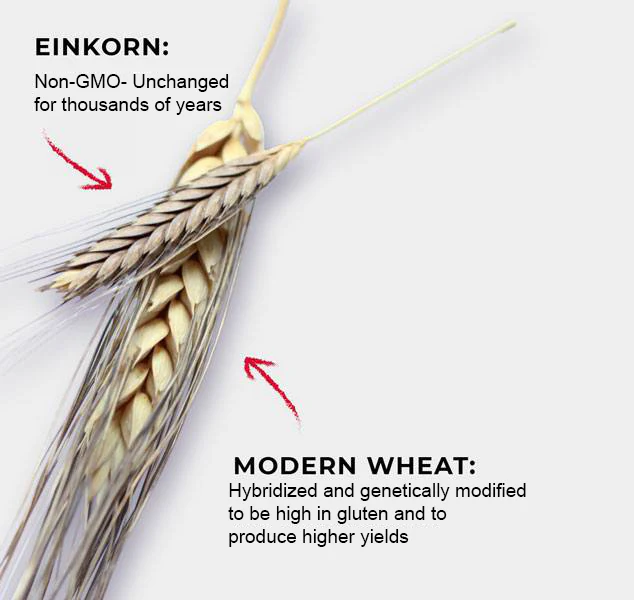
What Is Einkorn, Anyway?
So, what makes einkorn different? Well, it’s a diploid wheat, which means it has only two sets of chromosomes. Compare that to modern bread wheat (Triticum aestivum), which has six sets. This genetic simplicity is actually a big part of why scientists and nutritionists have become so interested in einkorn lately.
The name itself is pretty charming- “einkorn” comes from German and literally means “single grain,” referring to the single kernel you’ll find in each spikelet of the plant.
Why Everyone’s Talking About Einkorn’s Nutrition
Einkorn has earned a real reputation for being nutritionally superior to modern wheat, and the research backs it up. Here’s what studies have found:
- Seriously high protein content (we’re talking up to 18%)
- Packed with antioxidants, especially lutein and carotenoids
- Rich in essential minerals like iron, zinc, and magnesium
- Loaded with B vitamins, including thiamine and riboflavin
- Better fatty acid profiles, with notably higher omega-3 levels
A study in the Journal of Agricultural and Food Chemistry really drove this home, showing that einkorn contains significantly more tocols (vitamin E compounds) and carotenoids than modern durum and bread wheat varieties (Hidalgo et al., 2006).
The Gluten Question
Let’s talk about the elephant in the room: gluten. Yes, einkorn contains gluten, so it’s not safe for people with celiac disease. But here’s where it gets interesting- its gluten structure is actually different from modern wheat.
Einkorn is missing the D-genome that modern wheat has, which means it lacks certain gluten proteins that can be tough on our digestive systems. Research in the British Journal of Nutrition even suggested that some people with non-celiac gluten sensitivity might handle einkorn better than regular wheat (Carnevali et al., 2014). That said, this is still an evolving area of research, so don’t take it as medical advice.
Why Farmers Love It (Even If It’s Not Everywhere)
Here’s something really appealing about einkorn: it’s tough and doesn’t need much fussing. It actually thrives in poor soil where modern wheat would give up, and it needs way fewer pesticides and fertilizers. That makes it a dream crop for sustainable and organic farming (Heun et al., 1997).
The catch? Einkorn doesn’t produce as much grain per plant as modern varieties. That’s the main reason it basically disappeared from farms during the 20th century’s agricultural revolution, when everyone was chasing higher yields.
Cooking With Einkorn
Want to try einkorn in your kitchen? You can use the flour for bread, pasta, pancakes, pastries- you name it. The flavour is noticeably different from regular wheat: nuttier, richer, and honestly more interesting. The downside is that its weaker gluten structure means you’ll need to adjust your approach-play around with hydration levels and how much you knead the dough.
References
- Hidalgo, A., Brandolini, A., Ratti, S., & Plizzari, L. (2006). Tocols and carotenoids of einkorn, emmer and breadwheat. Journal of Agricultural and Food Chemistry, 54(12), 4394–4401.
- Carnevali, P., Ciati, R., Leporati, A., & Tajana, E. (2014). Wheat sourdough fermentation: Effects of time and acidification on fundamental rheological properties of the dough. British Journal of Nutrition.
- Heun, M., Schäfer-Pregl, R., Klawan, D., Castagna, R., Accerbi, M., Borghi, B., & Salamini, F. (1997). Site of einkorn wheat domestication identified by DNA fingerprinting. Science, 278(5341), 1312–1314.
- Brandolini, A., & Hidalgo, A. (2011). Wheat ancient varieties: Einkorn as a potential source of health benefit. Journal of Cereal Science, 54(2), 168–175.
- Zanini, B., Villanacci, V., Marullo, M., Corazza, G. R., & Lanzini, A. (2013). Einkorn wheat tolerance in celiac disease. Alimentary Pharmacology & Therapeutics.
- Photo from Diabetes Diet Life